In a word, Yes. In 2021, December 21 will be the shortest day–or longest night–of the year if and only if you live in the Northern Hemisphere. At precisely 9:59 a.m. CST on December 21, the Winter Solsice will occur, ushering in Winter for the Northern Hemispher and Summer for the Southern Hemisphere. And, get this. It doesn’t matter where you live, the solstice happens for everyone at the same time.
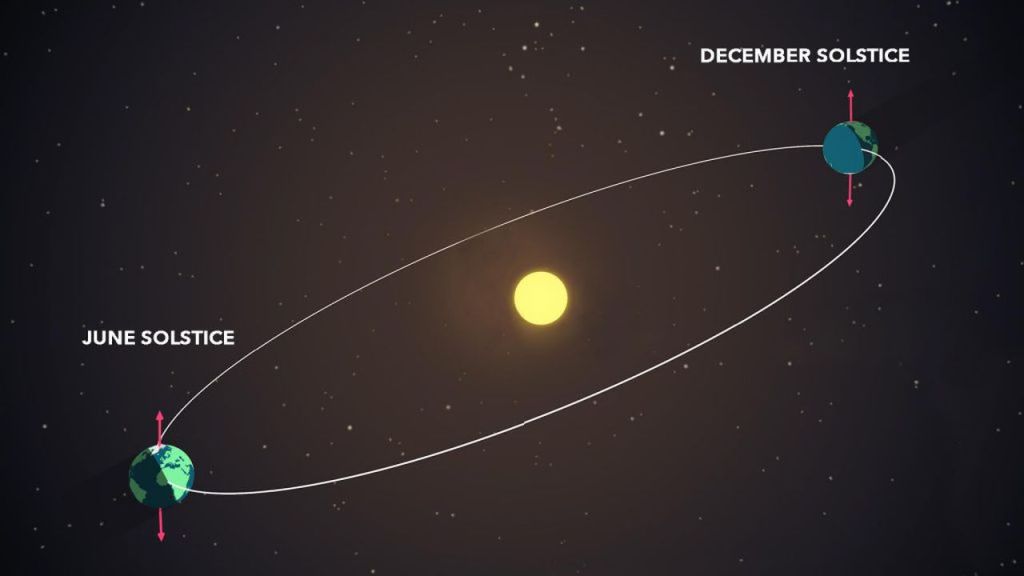
So what exactly happens? According to NASA, Although the tilt of the Earth as compared to the plane of its orbit around the sun is more or less constant (23.5 degrees), at the December solstice, the Northern Hemisphere receives the most indirect sunlight, causing cooler temperatures. The Southern Hemisphere receives the most direct sunlight, causing warmer temperatures, so it is summer there. At the June solstice, this effect reverses and the Northern Hemisphere receives the most direct sunlight, causing warmer temperatures, and the Southern Hemisphere receives the most indirect sunlight, causing cooler temperatures.

In essense, every place north of the equator will see a shorter than 12 hour day, and everyplace south of the equater will have a longer than 12 hour day. According to the local weather channel, the sun rose here this morning at 7:39 EST, and will set at 4:22 p.m. EST. At noon, if you’re fortunate enough to have a sunny day, you’ll see the sun sitting lower on the horizon than usual, and your shadow will be the longest it’s been all year. Of course, if it’s cloudy where you are, as it is here, you won’t see anything. An interesting thing to note, that while this may be the shortest day, it isn’t the one with the earliest sunset. That happened between December 5th and 13th, when the sun set at 4:19 p.m. So why is today shorter? Because the sun rose later– a full 13 minutes!
Some of you living in the Northern Hemisphere may not realize that official Winter has two different stating dates. Meteorological Winter started on Dec. 1 and runs until the end of Ferburary, followed by Spring, March 1 to May 31, Summer, June 1 to August 31, and Fall ,September 1st to November 30th.
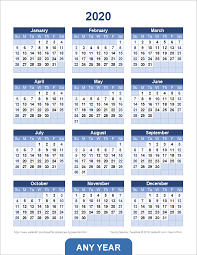
Over the years, we’ve been taught to date the seasons by the astronomical calendar, and the dates were always fixed: Winter, December 21st, Spring, March 21st, Summer, June 21st, and Fall, September 21st. The biggest problem with that was that because our calendar year doesn’t line up with the astrological year, we’re always just a little off. The solstice and equinox, as in Spring and Fall, have a date range, the earliest being the 19th of the month, the latest the 23rd. In terms of the Winter Solstice, you’ll have to be around in 2303 to see that one fall on the 23rd. The odds are not in your favor!
How you choose to spend your shortest or longest day depending on whether you are in the Northern or Southern Hemisphere is up to you. I still have a few things to do for Christmas so that will keep me busy. To those of you in the north, enjoy your day this year, remembering that the ancients celerbrated this day as the rebirth of the sun since from now on, the days are going to get longer! Have a great Winter Solstice Day! For those in the south, face it, from now on your days are going to get shorter! That’s just the way it is!
 Living the Dream