
There are thunderstorms in the forecast, the air quality isn’t the best, but getting to spend the day with four of my five grandkids before they go off on their summer adventures is absolutely priceless. We’ll see the fifth when we go to Norway this summer.
Today is Canada Day, the day we celebrate our nation’s greatness. Canada Day, first celebrated on July 1, 1868 is a commemoration of July 1st, 1867, when the British North American Act (now known as the Constitution Act) united Nova Scotia, New Brunswick and the Province of Canada into a single country. Before that, we were all separate British colonies. After the initial unification, we gradually grew into the ten provinces and three territories we are today. Canada occupies the largest landmass of the twenty-three sovereign countries occupying North America, including the protected French territory of St Pierre and Miquelon, and Greenland and 60% of Hans Island which are Danish territory.
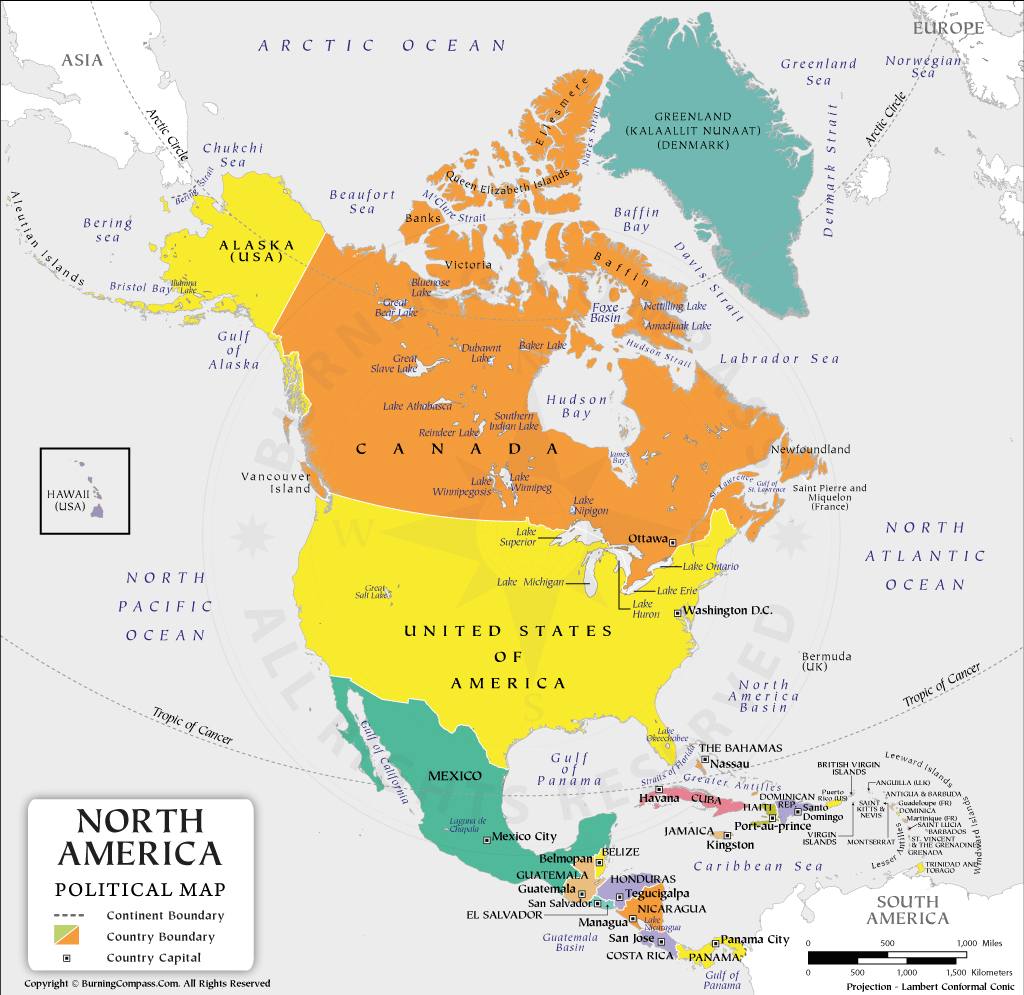
Canada has the third largest population in North America and our official languages are English and French. King Charles III is our King and he’s represented here by the Governor General, the Honourable Mary Simon, an Indigenous person. We have universal health care, social programs to look after the elderly and the poor, and a top-notch education system. We aren’t perfect, but we do try to do better.
Canada is a mosaic of cultures. With the exception of the Indigenous people, we are all the descendants of immigrants. When you think about it, even the Indigenous people came here from somewhere else. Most archaeologists believe the first peoples of Canada, who belong to what is sometimes called the Amerindian race, migrated to western North America from east Asia sometime between 21,000 and 10,000 B.C. (approximately 23,000 to 12,000 years ago), back when the two continents were connected by a massive land bridge known as the Bering Plain.
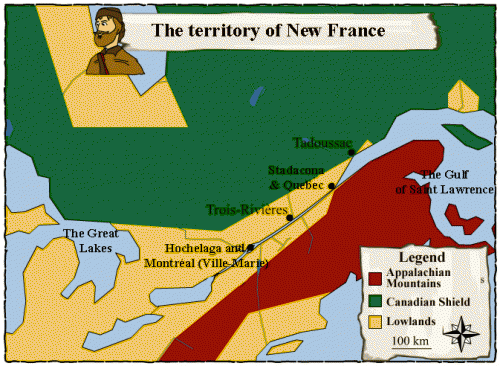
My paternal ancestor arrived in what was then New France in 1665. He was French with a touch of Basque. My maternal ancestor arrived some fifty years later, also French but with a dab of English. They and thousands like them helped make Canada the great country it is today. We strive to do the best we can, offering help to the oppresses, opening out arms to the refugees, and seeking to make amends for the sins of the past.
We are a relatively young country, and like any youth, we tend to want to do things our own way since of course, like any headstrong young person, we know better than our elders. As a writer, I’ve come to appreciate the differences among British English, American English and my own English. Canadian English is a weird mix of Amercian and British English with a dash of French thrown in. But that isn’t the only place where we tend to mix things up. Take measurement.
I grew up with the Imperial system. Gas was sold by the gallon, but even then, a Canadian or an Imperial gallon wasn’t the same size as an American one. Distance was measured in miles. When Canada made the formal switch from imperial to metric units on April 1, 1975. Many did not take kindly to the change. After all, our indoor thermometers were in Fahrenheit as were our ovens, refrigerators, and freezers.
In time, most of us accepted what we couldn’t change, like the Loonie replacing the one dollar bill, and then the twoonie replacing the two dollar bill, and then the loss of the penny and the introduction of rounding … we’re accommodating like that, but measurement? We still pretty much do our own thing. If you work in a hospital or a lab, it’s all metric. If you work in carpentry, it’s mainly Imperial, and for everyone else well–here’s a chart to help you understand the unique ness of Canada.

Enjoy your pint as you celebrate the wonders and mysteries of this great land of ours.

Want to know a bit more about my ancestors on the challenges they faced coming here? Check out my historical romance Canadiana Series available from Amazon. The Price of Honor and The Price of Courage, a fictionalized history of the times. https://www.amazon.com/gp/product/B085NJ1ZFD
 Living the Dream