Well, I’m hoping for sunny skies, but I’ll settle for anything that isn’t wet. I haven’t put away my hat and gloves, so a little cold won’t hurt me, but I’m sick of snow and rain. I began a walking program mid-March when the weather got nice, and I’m trying valiantly to meet it each day, but the rain and snow haven’t helped.
Today’s letter is the letter N. To me, No stands for novella, novelette, and novel. For most people, when they think of any of those words, they immediately think fiction. Let’s start by looking at the shortest piece of fiction writing, the novelette.
A novelette is a piece of short prose fiction. Its closest relative is the short story. A standard short story can be anywhere from 1,000 to 7,500 words long. A novelette usually ranges from 7,500 and 17,499 words, inclusive. Not everyone enjoys reading something that short, but if you only have a limited amount of time and want to get from start to finish quickly, something with a little more meet to it than a short story, then the novelette might be for you. I do not currently have any novelettes.
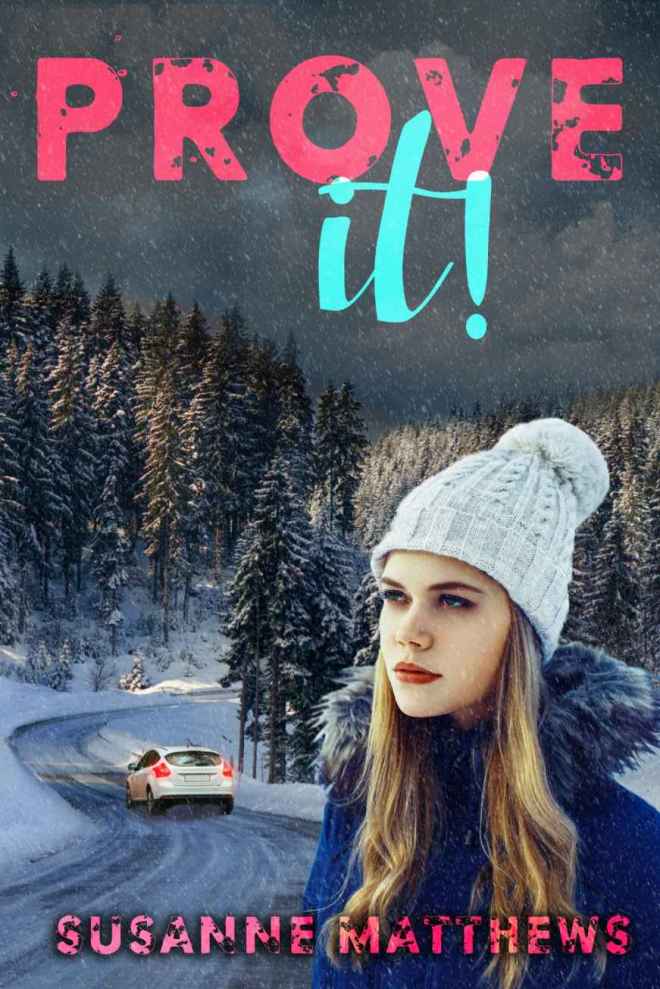
What most readers want today isn’t a novel but a novella, also called a short novel. Its word range is from 17,500 to as high as 70,000 words, but most are between 40,000 and 60,000 words. My novellas include my Cocktails for You books, Prove It, a YA suspense novel, Twist of Fate, The Captain’s Promise, The Tigress and The Guardian, as well as my Winter Weddings books. Most of today’s contemporary romances fall into this category, but just to put things in perspective, Anthony Burgess’s A Clockwork Orange, John Steinbeck’s Of Mice and Men, Herman Melville’s Billy Budd, George Orwell’s Animal Farm, Truman Capote’s Breakfast at Tiffany’s, Ernest Hemingway’s The Old Man and the Sea, Robert Louis Stevenson’s Dr Jekyll and Mr Hyde, Charles Dickens’ A Christmas Carol, H.G. Wells’ The Time Machine, Philip Roth’s Goodbye, Columbus, Joseph Conrad’s Heart of Darkness, and Jack Kerouac’s The Subterraneans are all considered novellas, not novels!
So what is a novel? A novel is a long narrative in literary prose. It contains prose passages and dialogue. It can even contain poetry. The novel traces its historical roots to both medieval and early modern romance and to the novella. The word ‘novel’ comes from that 18th century word.
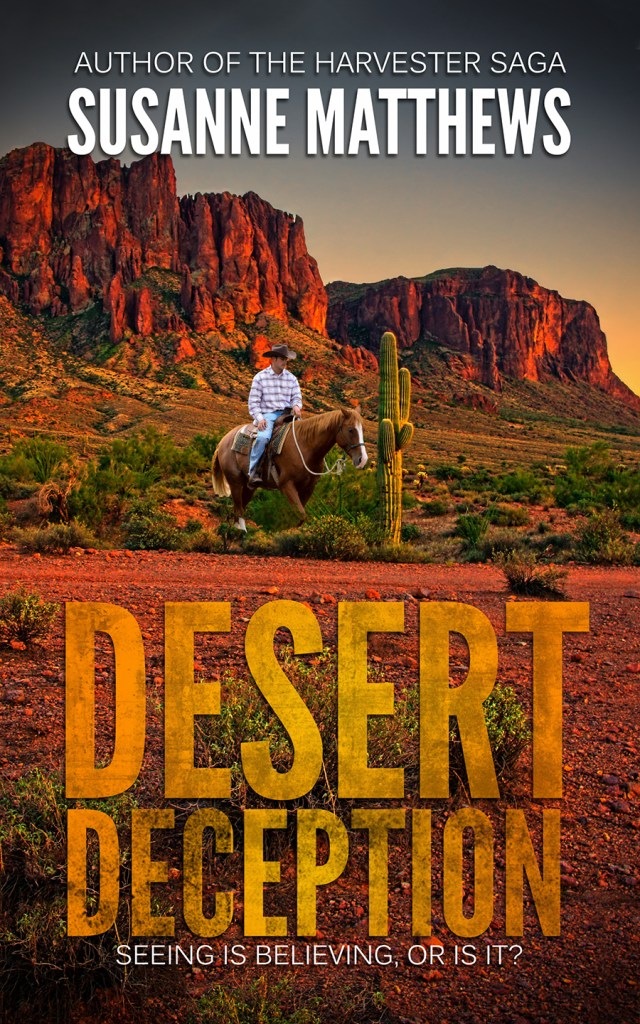
To be considered a novel, a book usually contains more than 70,000 words. I have authored several novels, some with more than 150,000 words, like Desert Deception. Many of the older classic novels were much longer than that–think War and Peace, Doctor Zhivago, Gone with the Wind, The Lord of the Rings, or The Handmaid’s Tale. But what makes a novel an enjoyable book, one people will read again and again–or turn into movies, is the way in which the author creates reality in the unreal. The plot, the characters, and the use of language are all essential factors in a novel’s artistic merits. Believe it or not, these elements date back to the 16th and 17th centuries. For a novel to succeed, it must engage the reader on every level. Physical, intellectual, and emotional. Not every reader will like every novel. Readers and writers have individual tastes that show up in what they write or read. How about you? Which to you prefer? Novelette, novella, or novel?
Find more N posts here: https://docs.google.com/spreadsheets/d/1nuoAOJ-BUAXE1Yl2yIArhUHInj902PHVX6_gL4oKiSo/edit#gid=1195767304


I don’t mind reading any thing..novellete, Novella or novel….
Good luck with ur writing and Novellas
Dropping by from a to z http://afshan-shaik.blogspot.com/
LikeLiked by 1 person
I tend to read books with page counts between 300-400. I once was told that if it’s less — between 150-300 — it’s a novella. I’m sure it depends on typeface and font size, but I doubt a novel could be under 300 pages. Which means that many of Agatha Christie’s works are not novels, but novellas(?)
There should be a graduated-novel term for tomes over 400 pages long. A supernovel, or some such.
I suspect with the ever-waning attention spans of modern readers, we’re more likely to see terminology move in the opposite direction: a micro-novelette, perhaps.
LikeLiked by 1 person
You could be right!
LikeLike